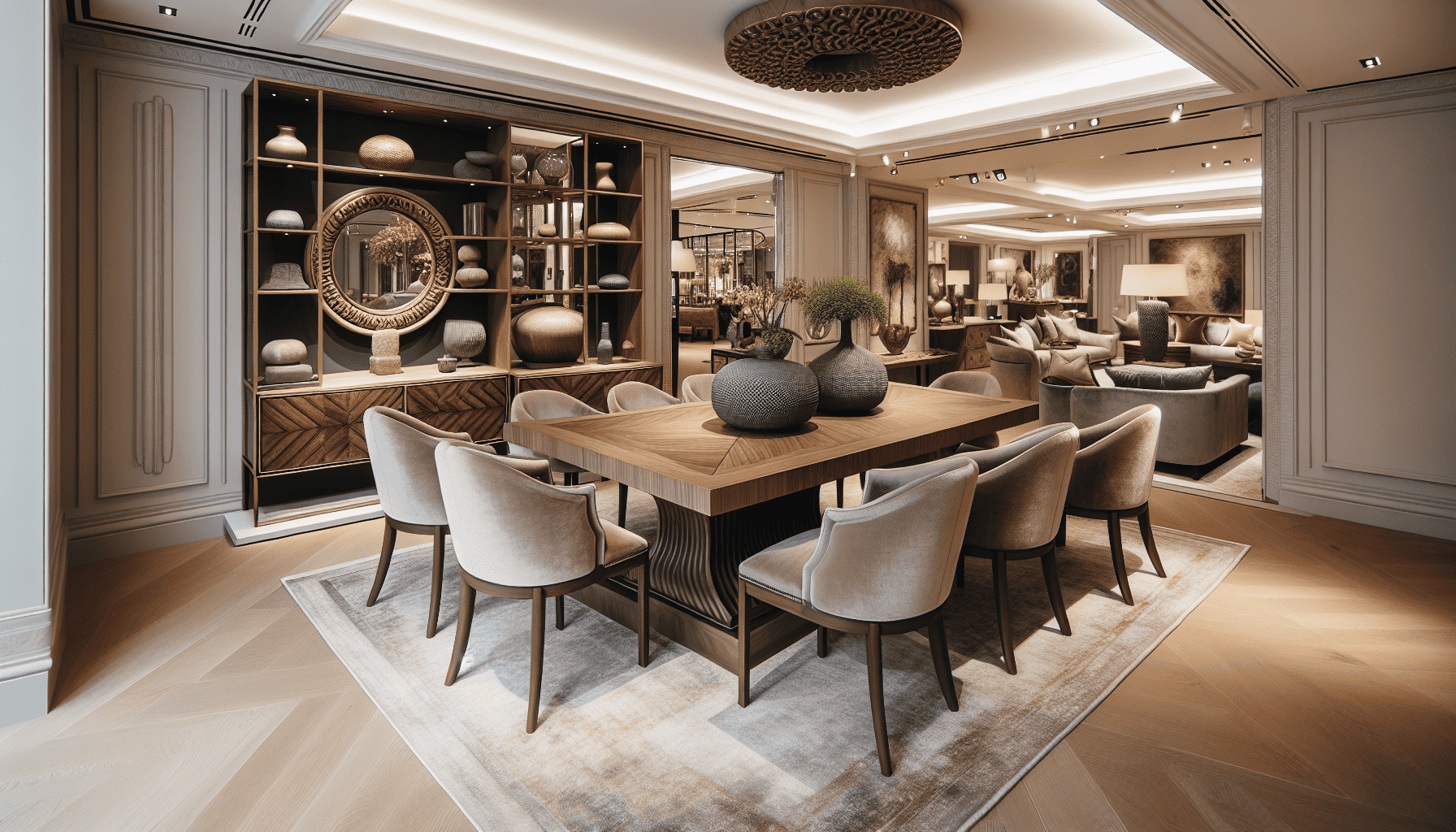
In the world of interior design, customized furnishings have emerged as a game-changer, allowing individuals to transform their homes and workspaces into reflections of their personalized tastes and lifestyles. Whether it's a plush sofa tailored to fit a compact living room or a bespoke dining table crafted from reclaimed wood, customized furniture pieces offer more than just practical solutions—they embody style, personality, and craftsmanship.
One of the most compelling reasons to opt for customized furnishings is the unparalleled opportunity to express one's unique style. Unlike store-bought furniture that often adheres to the latest trends or mainstream design, custom pieces are born from individual creativity and collaboration with skilled artisans. This not only ensures originality but also allows for the incorporation of preferences that may not be easily found in mass-produced items, such as specific materials, finishes, or intricate details.
Functionality is another critical aspect that custom furnishings address effectively. In today's diverse living spaces, one-size-fits-all solutions often fall short in maximizing functionality or harmonizing with the architectural nuances of a home. For example, a custom wardrobe can be designed to seamlessly fit into an awkward corner, complete with tailored compartments to accommodate specific storage needs. Similarly, a handcrafted desk may be the perfect solution for an oddly shaped office nook, maximizing both space and productivity.
Moreover, investing in customized furniture often equates to investing in quality. Since these pieces are typically built by craftspeople dedicated to their trade, they often boast superior craftsmanship and durability. This attention to detail not only enhances the aesthetic value of the piece but also ensures its longevity, making it a wise investment over time. Unlike assembly-line furniture, these creations are made with hand-selected materials and are subjected to rigorous quality checks, ensuring that they stand the test of time and daily use.
Sustainability is also an increasingly important factor driving the demand for custom furnishings. As environmental consciousness grows, many consumers are turning to artisans who source materials responsibly and minimize waste. Custom furniture can incorporate eco-friendly materials like reclaimed wood or recycled metals, supporting both aesthetics and sustainability. This approach helps reduce the carbon footprint associated with mass production and disposal, aligning personal style with environmental values.
The process of creating customized furnishings is a rewarding journey in itself. It begins with inspiration—perhaps a sketch, an idea, or an existing piece that resonates deeply. From there, collaboration with experienced designers and craftspeople is key. These professionals offer invaluable insights, helping to refine ideas and select materials that best suit one’s aesthetic and functional goals. This collaborative process not only results in a unique piece but also enriches the buyer’s understanding of craftsmanship and design.
In conclusion, customized furnishings represent a harmonious blend of aesthetics, functionality, and sustainability. They offer an outlet for personal expression while solving practical challenges posed by unique spaces. By investing in customized furniture, individuals not only enhance their living environments but also contribute to a more sustainable and thoughtful approach to home decor. As the trend towards personalization and ecological responsibility continues to grow, customized furnishings stand out as an ideal choice for those looking to make their interiors truly their own.