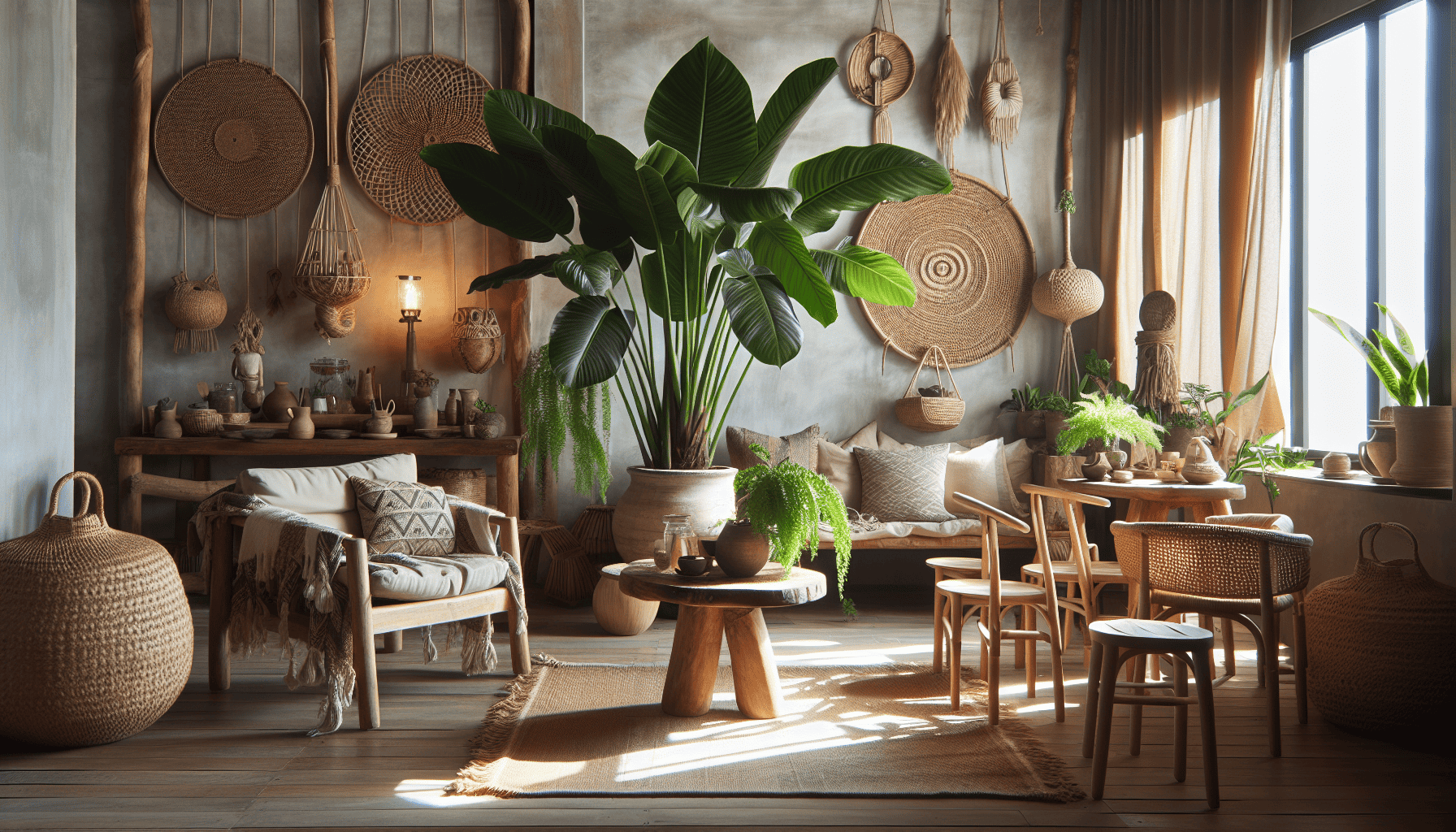
In recent years, the importance of sustainable interior design has surged, largely propelled by growing environmental consciousness and a desire to make living spaces more eco-friendly. As a result, the selection of sustainable materials has become a pivotal aspect of interior design, offering solutions that minimize environmental impact while still allowing for aesthetic beauty and functional practicality.
One of the most popular sustainable materials being used in interior design is bamboo. Known for its rapid growth and renewability, bamboo is an excellent alternative to traditional hardwoods. Its durability and versatility make it suitable for a range of applications, including flooring, cabinetry, and even furniture. Furthermore, bamboo's natural aesthetic lends itself to creating warm, inviting living spaces.
Reclaimed wood is another eco-friendly option gaining traction. By repurposing wood from old buildings or structures, designers can create interiors that not only exude character and history but also reduce the demand for new lumber, thereby helping to preserve forest ecosystems. Each piece of reclaimed wood is unique, often featuring weathered textures and tones that enhance the visual interest of a room.
Cork, harvested from the bark of cork oak trees, is yet another sustainable material making waves in interior design. Cork is not only renewable but also biodegradable and recyclable. Its unique properties, such as sound absorption and resistance to mold, make it ideal for flooring and wall applications. Additionally, cork is available in various finishes and colors, allowing for creative flexibility in design.
Recycled metal is a brilliant choice for those looking to incorporate sustainability into more industrial or contemporary design styles. Metals like aluminum and steel can be melted down and reused countless times without degrading their structural integrity. This makes them perfect for fixtures, shelving, and decorative accents. The use of recycled metal not only reduces the need for new raw materials but also decreases the carbon footprint associated with manufacturing.
Another noteworthy material is organic cotton, which is grown without the use of harsh pesticides or synthetic fertilizers. It is used extensively in the production of sustainable textiles such as curtains, upholstery, and bedding. Organic cotton is not only soft and durable but also hypoallergenic, making it an excellent choice for creating a healthy living environment.
In addition to specific materials, sustainable interior design practices often emphasize the use of low-VOC (Volatile Organic Compounds) paints and finishes. These products release fewer pollutants into the air, thereby enhancing indoor air quality and contributing to a healthier living space.
Additionally, designers are increasingly favoring locally sourced materials to decrease transportation emissions and support local economies. This practice not only ensures fresher materials but also fosters a deeper connection between the space and its surrounding environment.
The shift toward utilizing sustainable materials in interior design is not merely a trend but a necessary evolution for the industry. By focusing on eco-friendly materials, designers can create beautiful interiors that respect our planet and inspire change. As consumers become more aware of the impact of their choices, the demand for sustainable solutions continues to grow, paving the way for innovative designs that marry style with sustainability. Ultimately, embracing sustainable materials enriches both our homes and our world, promising a brighter, more responsible future.